Arachova history in the village landscape
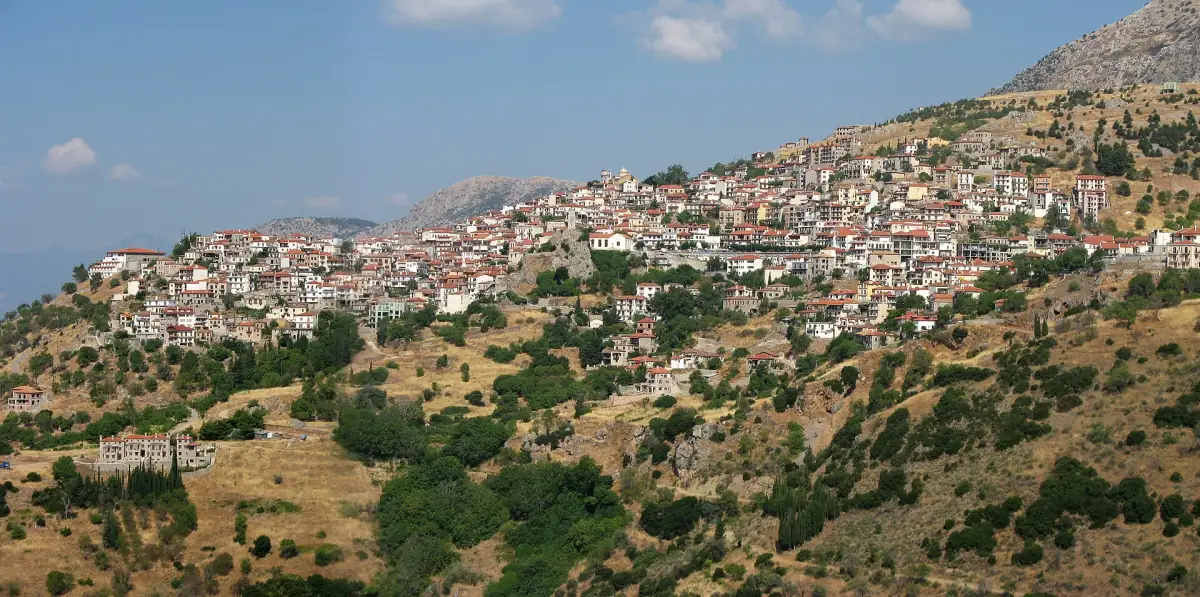
Arachova history becomes easier to understand when you connect the village's places with specific stories. The area above Agios Georgios is associated with the battle fought from 18 to 24 November 1826 under Georgios Karaiskakis. The stone lanes and hillside houses give a different way into the place, while textile work and the Panigiraki celebration bring cultural traditions into view. Together they offer a village-focused perspective beside the nearby archaeological destination of Delphi.
Arachova lies on Mount Parnassus near Delphi, at approximately 970 metres. Its rising streets mean that a cultural walk also involves choices about steps and slopes. Start with the history that interests you, then select a manageable part of the village to explore. The sights and village-walk guide helps turn the historical background into a practical visit without making every stop depend on entering a building.
The battle of November 1826 and Agios Georgios
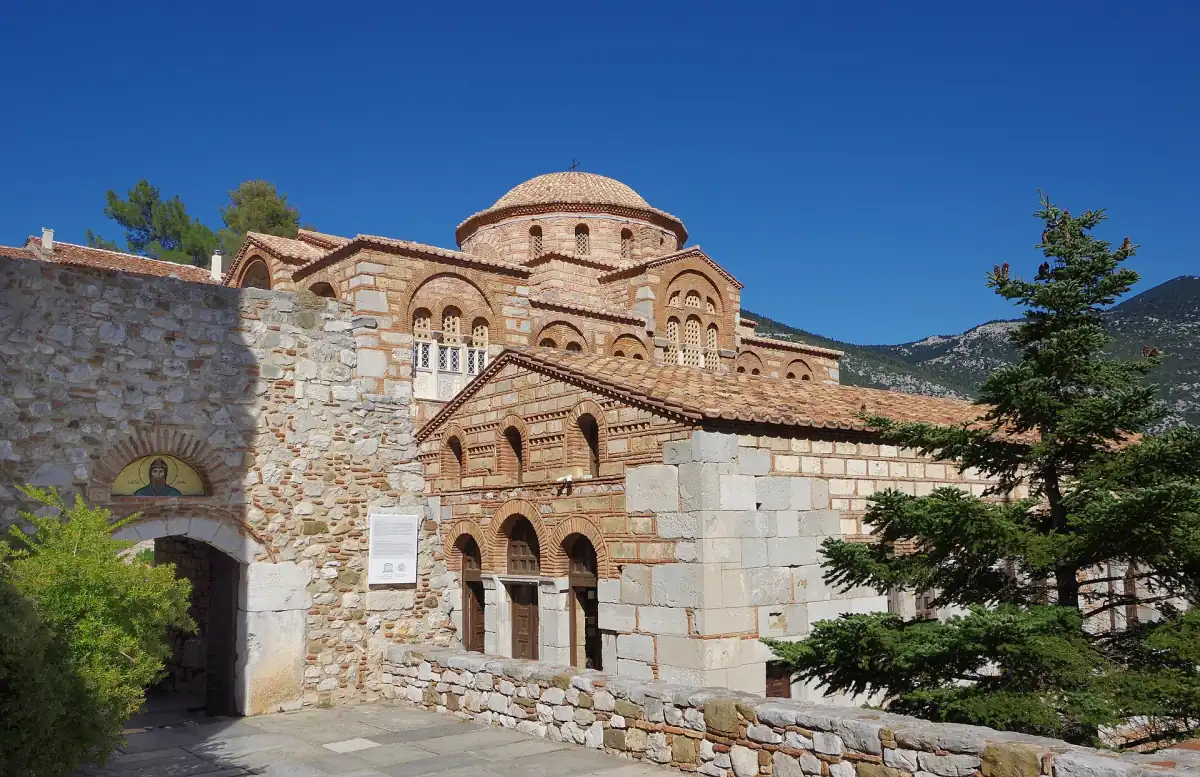
The battle of Arachova took place from 18 to 24 November 1826, with Georgios Karaiskakis leading the Greek forces. The local historical account places the battlefield above the church of Agios Georgios. Use the church as the geographical reference for this part of the village story. A visit here is an opportunity to connect the named event with its setting, rather than treating a general village walk as a detailed battlefield tour.
From the main street, 264 steps lead to Agios Georgios. There is also a vehicle approach with a small outside parking area and an entrance ramp. Choose your approach according to your party's needs and the rest of your day. The church's role in local memory can be understood from its setting even when your walk concentrates on exteriors. Leave time to pause rather than making the climb one more hurried stop before departure.
Private trip with a driver
The English-speaking driver has historical knowledge and the trip stops in Arachova.
Hand-picked tours, booked through GetYourGuide. Prices are indicative starting prices in euros (as of October 2026). Tap a tour for live availability and the current price in your currency.
A private journey with historical context
The eight-hour Athens outing combines Delphi and an Arachova photo stop with an English-speaking driver knowledgeable about history.
Architecture: stone houses and hillside lanes
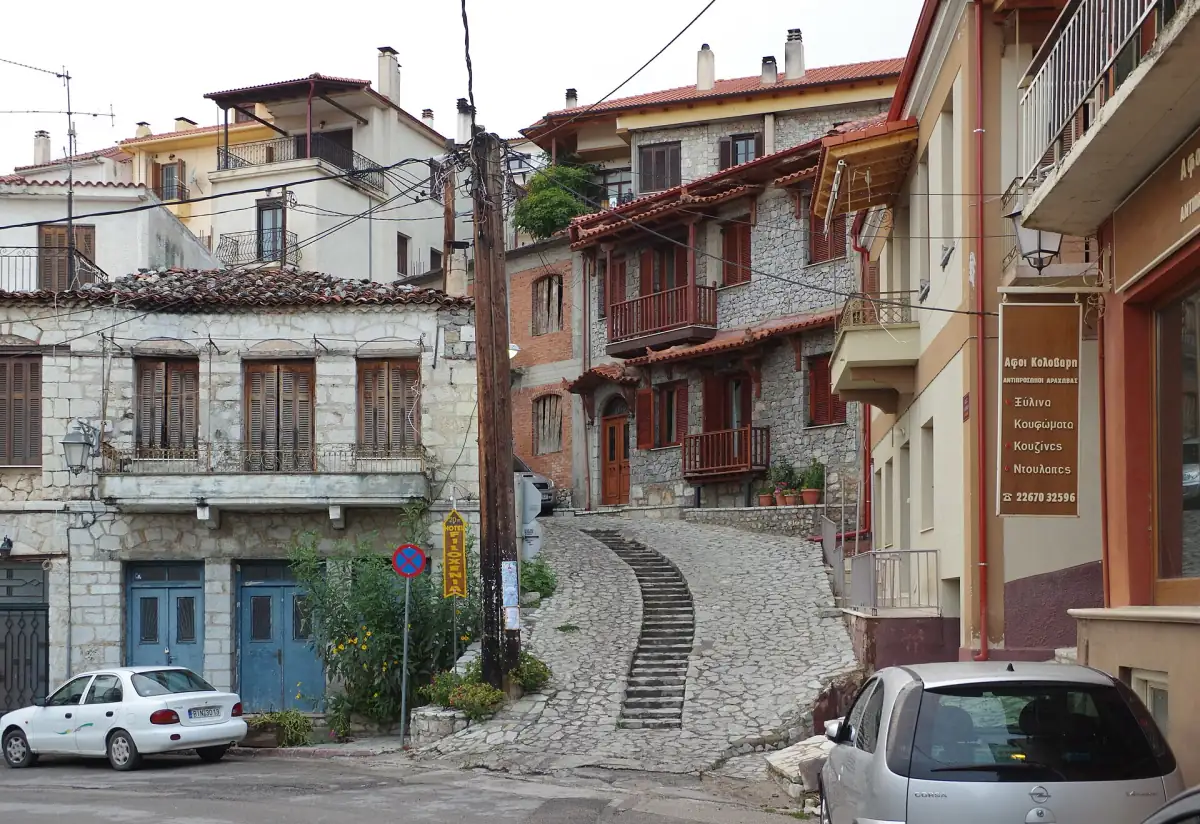
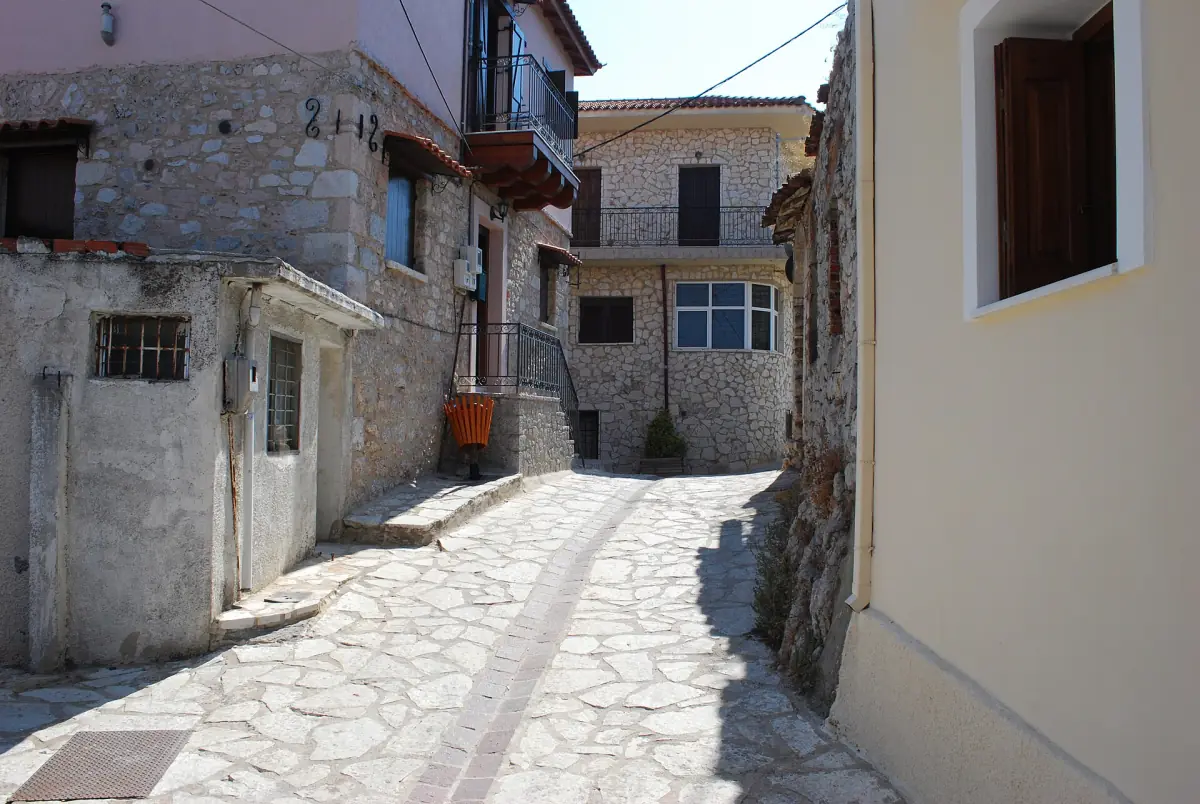
The architecture provides a second theme for looking at Arachova. Stone houses and paved lanes follow the hillside, creating changing views as you walk between buildings. Pay attention to the relationship between the street and the slope rather than trying to assign every house a date. This gives you a coherent way to explore the village using what is visible around you, alongside the specific nineteenth-century event associated with the church.
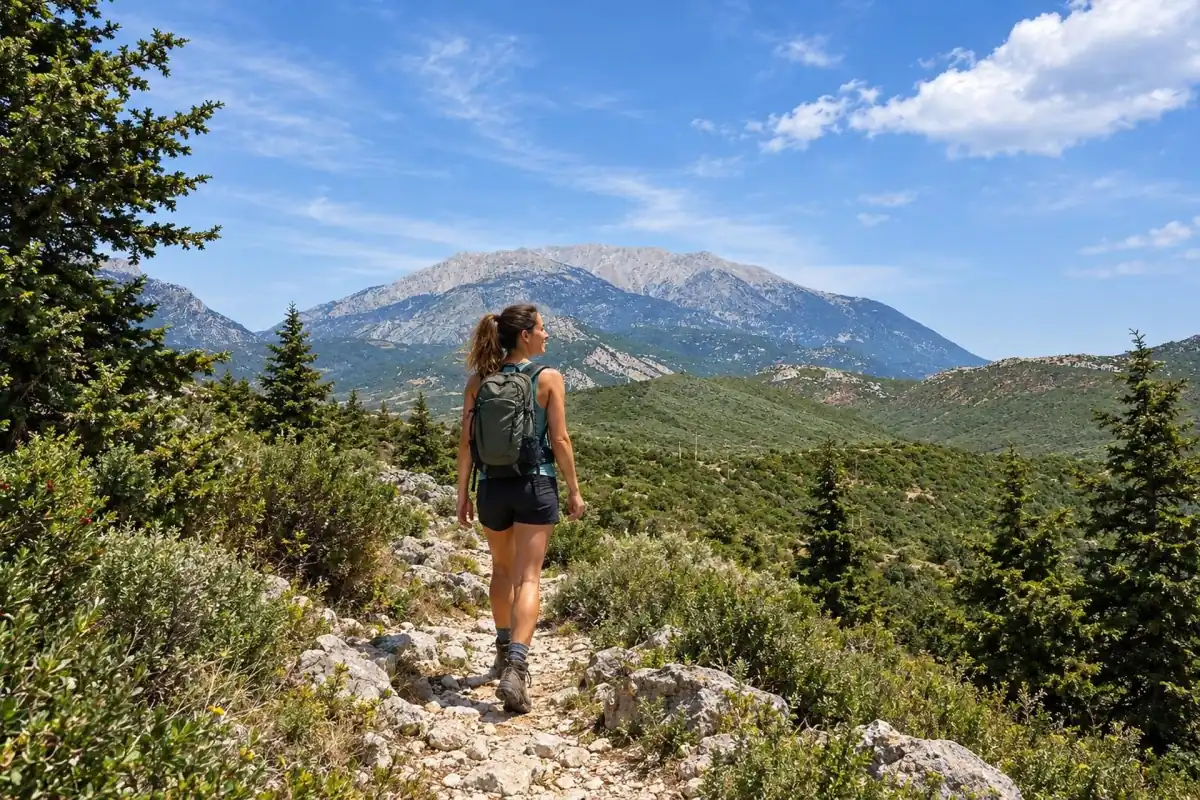
Older settlement traces in the Livadi and Zemeno areas form part of the region's historical background. Keep that wider chronology separate from the village walk: the stone streets, church and clock rock are the concrete places around which to organise this visit. For the broader setting, the Parnassus guide covers the mountain and the Corycian Cave, including its cultural background and guided hiking options.
Folk culture, weaving and costume craft
Arachova's cultural story includes weaving, embroidery and costume-making. The folk museum documents textile patterns and traditional handwork, making it a useful point of reference when your interest extends beyond the battle. Look at textiles as objects connected to clothing and daily life, rather than treating all local culture as an extension of military history. These are complementary subjects that can give a village visit more than one focus.
If the museum is important to your plan, check its local visiting arrangements. Otherwise, give the walk a craft theme and use the museum as a cultural reference point. The village's stone setting and textile traditions can be appreciated within the same visit without committing to a workshop or a fixed interior programme. An overnight stay may give you more room to separate these interests; the accommodation guide explains the practical location questions.
Panigiraki: a look back at 2026
Panigiraki honours Saint George and belongs to the village's living cultural tradition. The 2026 programme ran from 22 to 25 April, including the eve and the days dedicated to the patron saint. These dates describe the celebration that has already taken place. Read them as a recent example of the connection between the church, the community and local custom, rather than using them as a calendar for another year's visit.
For a cultural walk, this connection adds another layer to Agios Georgios. The church is both a religious place and a reference point for local historical memory. Visiting quietly and allowing room for its religious purpose keeps that context intact. Planning around the village's permanent sights lets you explore its cultural themes even when your trip falls outside a festival period.
Delphi as a separate historical context
Nearby Delphi brings a different historical focus to a combined day. Keep the archaeological site and museum as their own part of the itinerary, while Arachova supplies the village, church and craft themes discussed here. This makes the combination meaningful without relocating Delphi's monuments into the village or turning Arachova's history into an introduction to museum tickets.
The eight-hour private outing from Athens includes an English-speaking driver with historical knowledge, accommodation or port pickup, air-conditioned transport, water and an Arachova photo stop. Delphi admission belongs to the ticket-inclusive option; lunch costs extra. The driver does not provide licensed guiding inside sites. Choose this for the road journey and combined places, and use the village stop to make your own observations. The private-tour comparison covers longer combinations with different stops.
Questions about Arachova's past
When was the battle of Arachova?
It took place from 18 to 24 November 1826 under Georgios Karaiskakis, in the area above Agios Georgios.
What crafts belong to the village's cultural story?
Weaving, embroidery, textile patterns and costume craft are documented local themes, with the folk museum as a point of reference.
Do the April dates apply to a future Panigiraki?
The dates 22 to 25 April describe the 2026 celebration. Consult the programme for the year of your visit when planning around the festival.